Recommended
Show
Posted on July 10, 2026
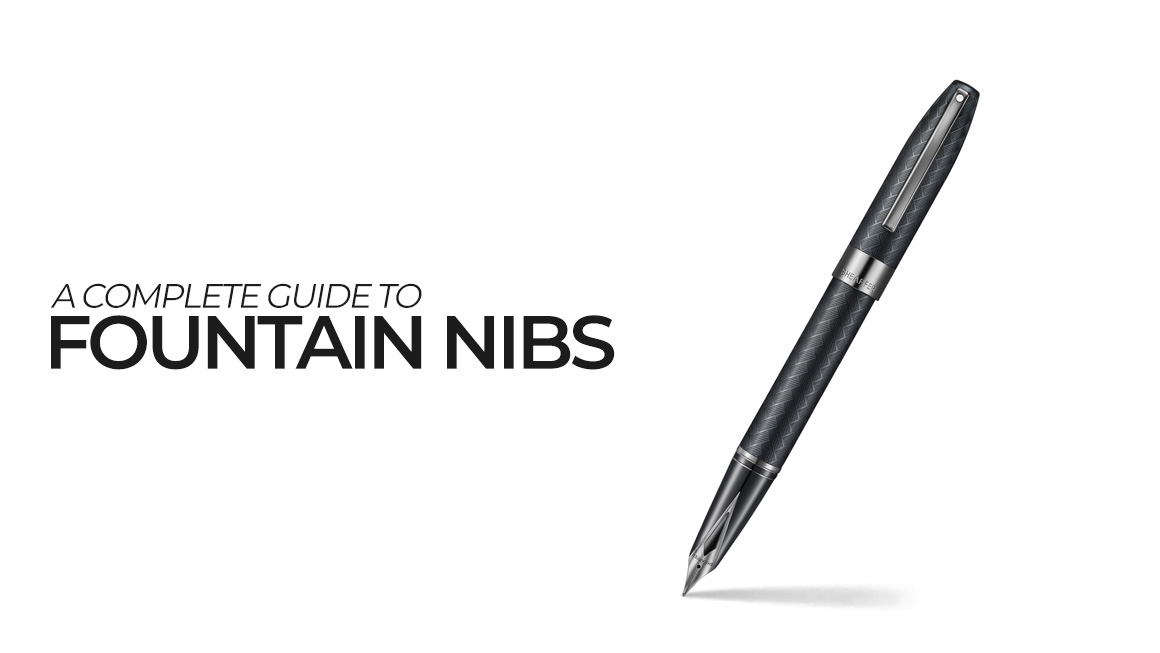
Pick up two fountain pens that look almost identical, and they can write completely differently. Same body, same brand, totally different feel on paper. The reason's always the nib. Everything else on the pen is more or less packaging, the nib is where the actual writing happens, and once you get a handle on how the sizes and shapes differ, choosing a fountain pen stops being a guessing game.
The nib's the small metal tip that meets the paper, and it's doing two things at once, controlling how much ink reaches the page, and shaping the line your handwriting makes. A finer nib lets less ink through and draws a thinner line. A broader one puts down more ink, thicker stroke. Then there's the shape of the tip itself, which is a separate decision entirely, that's where stub and music nibs come in, and we'll get to those.
Most nibs are stainless steel or gold, sometimes coated in rhodium, platinum, or black PVD purely for the look of it. Steel feels firmer under the hand. Gold flexes just a touch with pressure, which a lot of people end up preferring once they've written with one for a while.
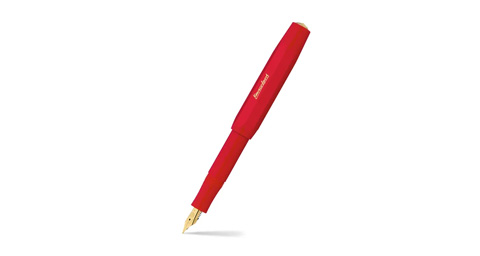
The thinnest standard line you can get. Good for small handwriting, dense note-taking, or anyone filling a lot of pages who doesn't want ink showing through the back. It's also the least forgiving of the bunch, an extra fine nib picks up every little shake in your hand, so it's not always the easiest place to start if you're new to fountain pens.
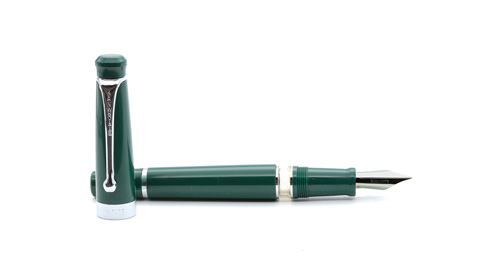
The safe, sensible pick, and probably the most commonly sold size across the board. Thin enough to keep your handwriting crisp, not so thin that it punishes you for writing fast. If you're buying your first fountain pen and genuinely don't know what to get, fine is rarely the wrong call. The Lamy Al-Star Fine at ₹6,600 is a low-risk way to try the size for yourself.
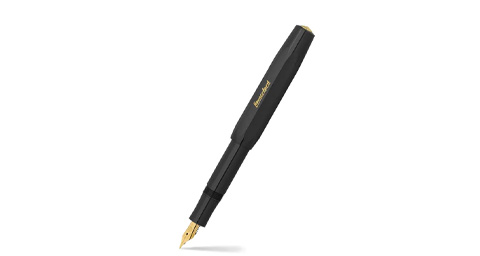
The everyday workhorse. Puts down a bit more ink than fine, gives your writing a touch more presence, and tends to be the most forgiving size while you're still figuring out how to hold a fountain pen at the right angle. It's everywhere for a reason, the Lamy Safari Medium at ₹4,600 is an easy entry point, while the Sailor Professional Gear Slim 14K Medium at ₹22,500 shows you what medium feels like once there's a proper gold nib underneath it.
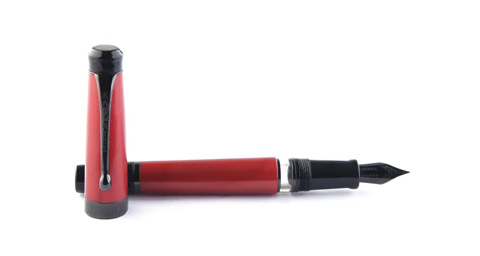
Noticeably thicker line, bolder and more expressive on the page. Less about precision, more about presence, broad nibs suit people who like the visual weight of their writing or use a fountain pen partly for how it looks. The Lamy Safari Broad at ₹4,600 is an easy, affordable way to feel the difference yourself.
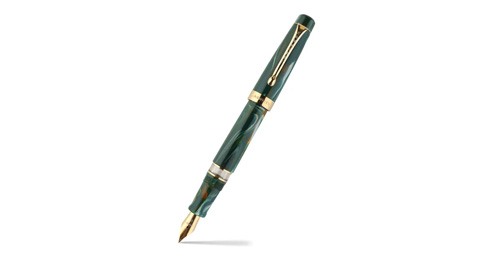
This one's about material, not width. Gold nibs, usually 14K, 18K, or 21K on Sailor pens, have a natural bit of give, so they flex slightly under pressure and shape themselves to your hand the more you use them. That's part of why people who write a lot tend to gravitate toward gold over steel eventually; it just feels more personal over time. The Sailor Professional Gear Fountain Pen with a 21K nib at ₹36,600, and the Montblanc Meisterstück range built around 14K and 18K gold nibs, are both good reference points for where gold nibs sit price-wise.
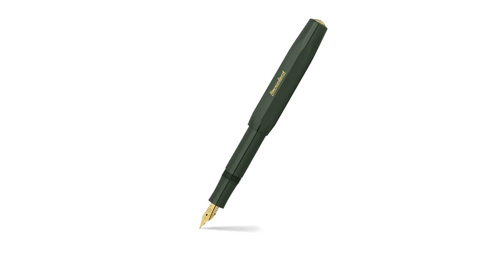
A stub nib is ground flat across the tip rather than rounded, so it gives you thin lines on the upstrokes and thicker lines on the downstrokes, basically the line variation you'd associate with calligraphy, minus needing to actually learn calligraphy. Adds a bit of character to everyday handwriting and journaling without slowing you down. William Penn's Esterbrook collection is worth browsing if this is the look you're after, Esterbrook is one of the brands known for offering stub and italic-style options, so it's the right place to start looking.
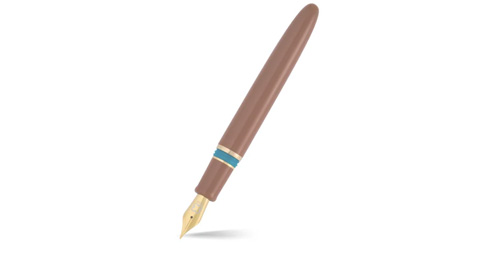
Originally built for musicians writing on staff paper, bold lines for the bars, fine lines for the notation, so a music nib has three tines instead of two and lays down a genuinely wet, dramatic line. Most people who buy one today aren't writing music at all; they just like the way it looks on the page. William Penn carries the Sailor Professional Gear Fountain Pen with a 21K music nib, priced at ₹36,600, worth a look if you want something that genuinely stands apart from a standard nib shape.
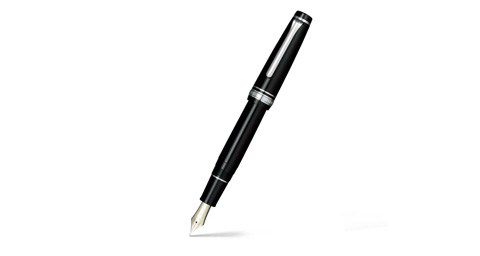
A Pilot design, and a clever bit of engineering, the tines are shaped so the line gets thicker the more pressure you put on it, almost like a built-in flex nib without the fragility real flex nibs usually come with. Fun if you like varying your line weight on the fly, signature-style. You'll find it on select Pilot fountain pens at William Penn.
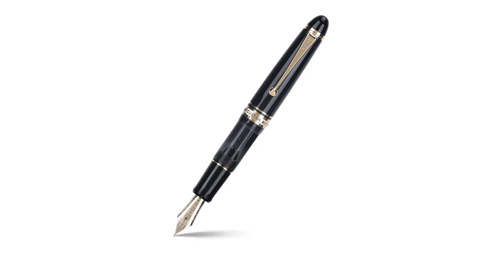
First fountain pen? Start with fine or medium, most forgiving, easiest to live with day to day. Do you already know you like bold, expressive handwriting? Broad or stub is worth exploring. Want something that genuinely doesn't write like anything else you own, wide tine, dramatic line, real character on the page? That's music or zoom nib territory.
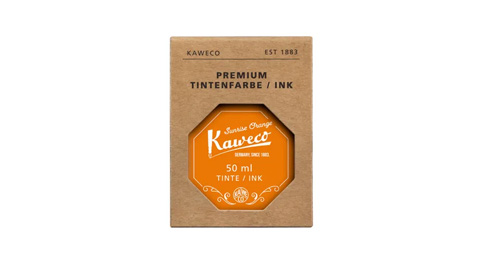
Nib width and nib material are two separate decisions, worth keeping straight. You can get a fine nib in steel or gold, width changes your line, material changes how it feels in your hand over time. Pair your nib choice with the right ink, too; a wetter ink suits a finer nib, while drier inks behave better under broad or stub tips. You'll find a full range in our inks and refills collection.
When you buy from William Penn, you can be confident that every fountain pen is genuine and sourced through authorized brand channels. If your pen requires warranty assistance or servicing, William Penn's after-sales support team will help coordinate the process with the respective brand and its authorized service network, ensuring you have reliable support long after your purchase.
What's the difference between a fine and a medium nib?
A fine nib lays down a thinner line and uses less ink, while medium is slightly bolder and more forgiving for everyday handwriting; most people start with one of these two.
Is a broad nib good for everyday writing?
It can be, if you like bolder handwriting, but broad nibs use more ink and aren't ideal for small or dense writing like forms.
Does a gold nib write better than a steel nib?
Not exactly "better", gold has more natural flex and feels smoother over long sessions, while steel is firmer and more consistent. It comes down to preference.
What's a stub nib used for?
It's ground flat instead of round, giving handwriting thin upstrokes and thick downstrokes, calligraphy-style flair without the calligraphy training.
What is a music nib, and do I need to write music to use it?
Originally for musicians on staff paper, with three tines for a bold, wet line, but most people today use one just for the expressive stroke.
How is a zoom nib different from a regular nib?
A Pilot design that widens the line as you press harder, similar to a flex nib but sturdier for everyday use.
Can I change the nib on my fountain pen later?
On some models, yes, several pens, Lamy included, let you swap nib units without replacing the whole pen, though this varies by brand and model.
Which nib size should a beginner choose?
Fine or medium, both forgiving, both work well on most paper, and neither shows every shake in your hand the way extra fine can.
You can browse the full range of fountain pens at William Penn by brand, nib width, and price to find the one that's right for you.
William Penn
William Penn is a premium destination for fine writing instruments and curated lifestyle accessories. We blend timeless craftsmanship with modern elegance to celebrate the art of expression.

-e80f1a09-921a-4d02-81c9-de41a080a2e2.jpg)
-6d0a9f85-3ca0-4694-901e-81f34714ada7.jpg)


Stay up to date
Stay in the loop, with exclusive offers and product previews.
Featured Brands